The short answer
Compare the softener's stated service flow with your peak use, check the bypass is fully open, and look for sediment or resin beads in faucet aerators.
Check these
- The bypass is fully in service position.
- The softener's stated service flow covers several fixtures running at once.
- Faucet aerators aren't clogged with sediment or resin beads.
- A pre-filter cartridge, if fitted, isn't clogged.
Flow vs capacity
Grain capacity says how much hardness a unit removes between regenerations; service flow says how fast water can pass. A unit can have plenty of capacity and too little flow for a large house.
Resin in the lines
Resin beads at the taps point to a broken distributor or riser in the tank; that's a repair, not a setting.
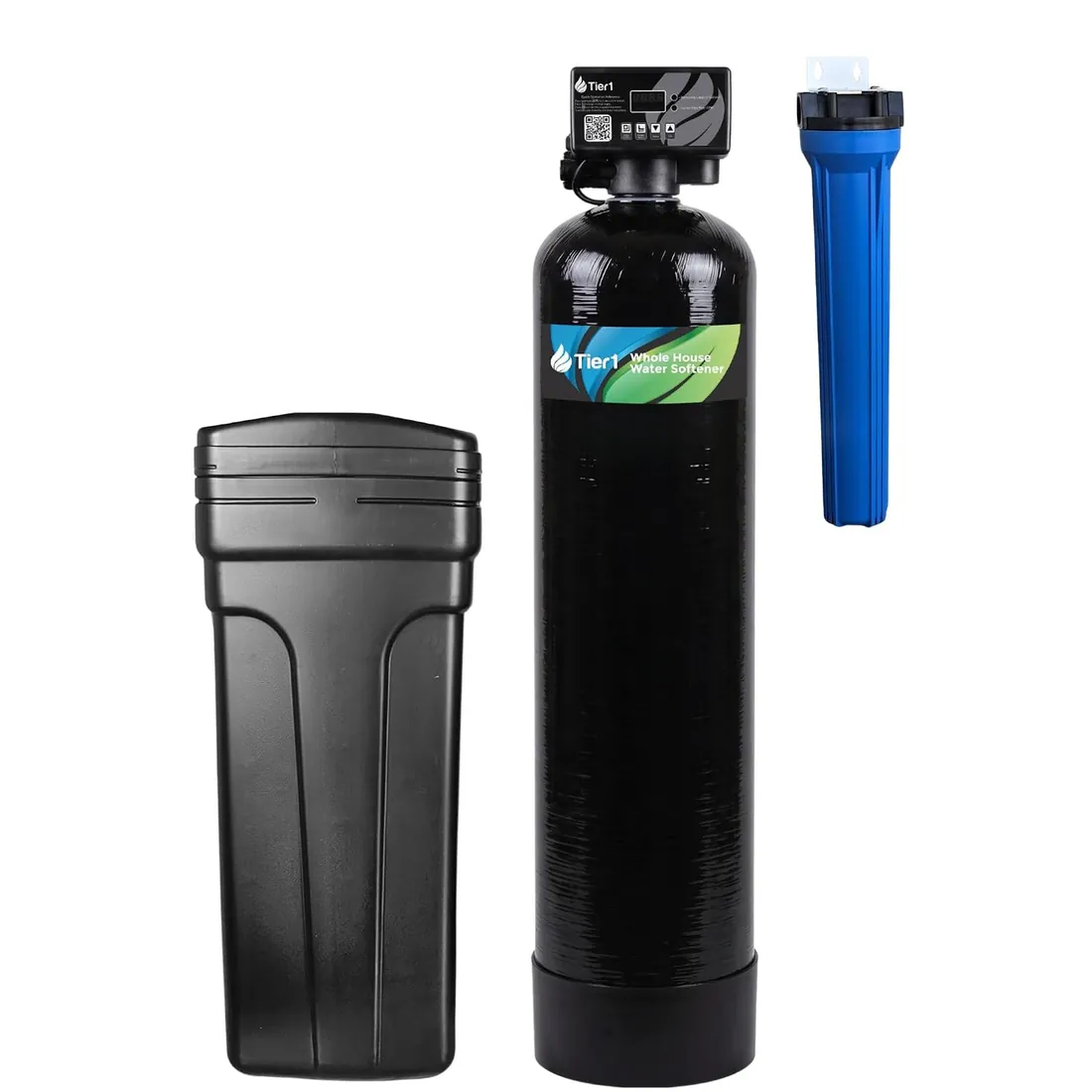
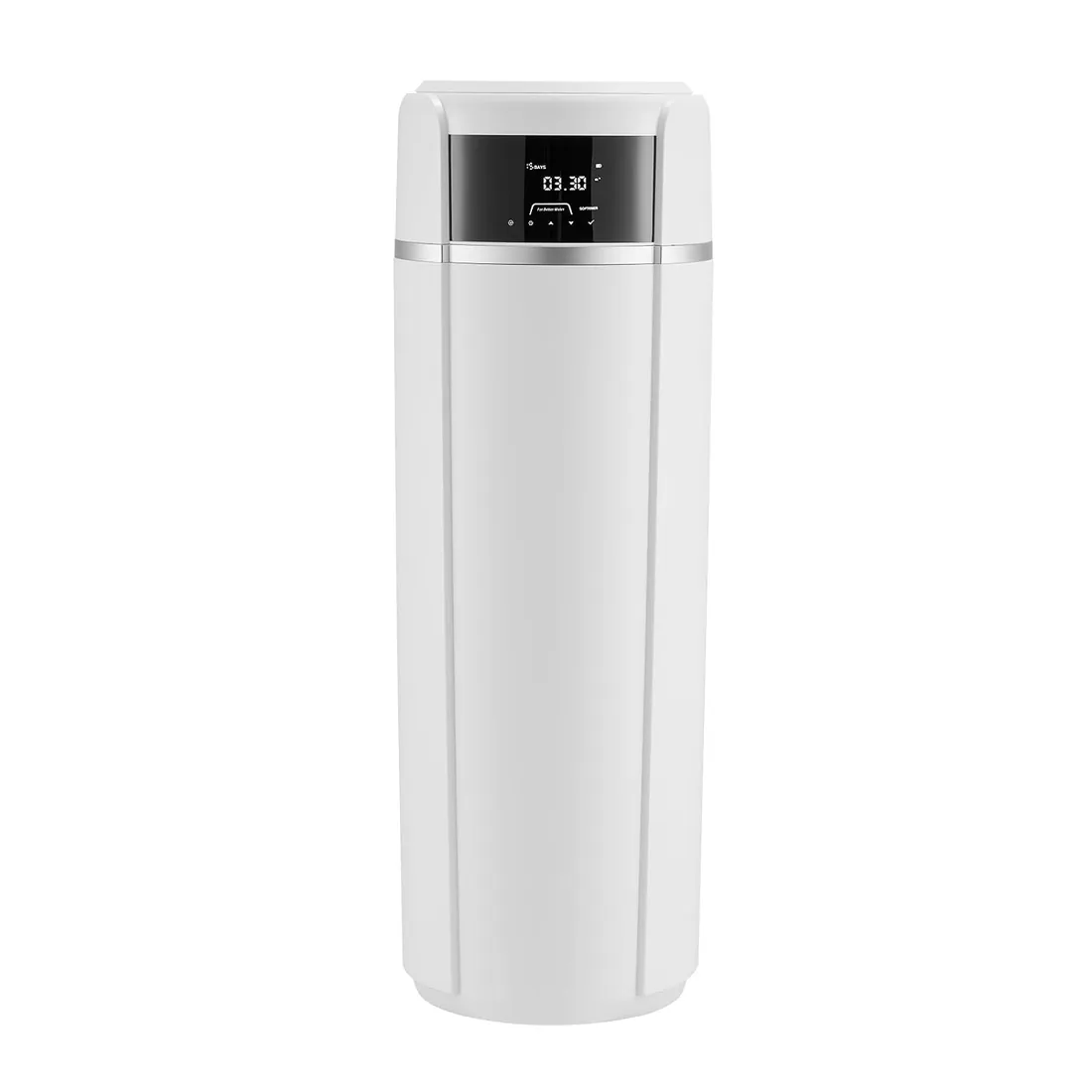
Products mentioned
Questions readers ask
Do water softeners reduce water pressure?
A unit sized for your flow shouldn't noticeably; an undersized one, a closed bypass or a clogged pre-filter can.
What service flow do I need?
Enough for the fixtures you run at the same time; larger homes need higher-flow units.