The short answer
Only an ion-exchange softener removes calcium and magnesium: resin swaps them for sodium (or potassium), and the water tests soft. Salt-free conditioners (TAC media) and electronic descalers leave the minerals in the water; their makers describe reduced scale on fixtures and heaters, not soft water. If you want the slippery soft-water feel, less soap and spot-free glass, you need salt.
Side by side
| Salt-based softener | Salt-free conditioner | Electronic descaler | |
|---|---|---|---|
| Removes hardness | Yes | No | No |
| Salt | Yes (or potassium) | No | No |
| Drain line | Yes | No | No |
| Power | Valve only | No | Yes, an outlet |
| Hardness test after | Reads soft | Reads the same | Reads the same |
Examples we cover
Salt-based: Aquasure Harmony 48,000. Salt-free media: NuvoH2O HHP-2516 and Kind E-3000. Electronic: iSpring ED2000.
Which fits your house
- Hard water above about 7 gpg and you want soft water: salt-based.
- No drain, a condo rule against salt discharge, or a sodium concern you won't solve with potassium: salt-free.
- Iron or manganese in the water: neither salt-free option treats it; see iron filters.
Products mentioned
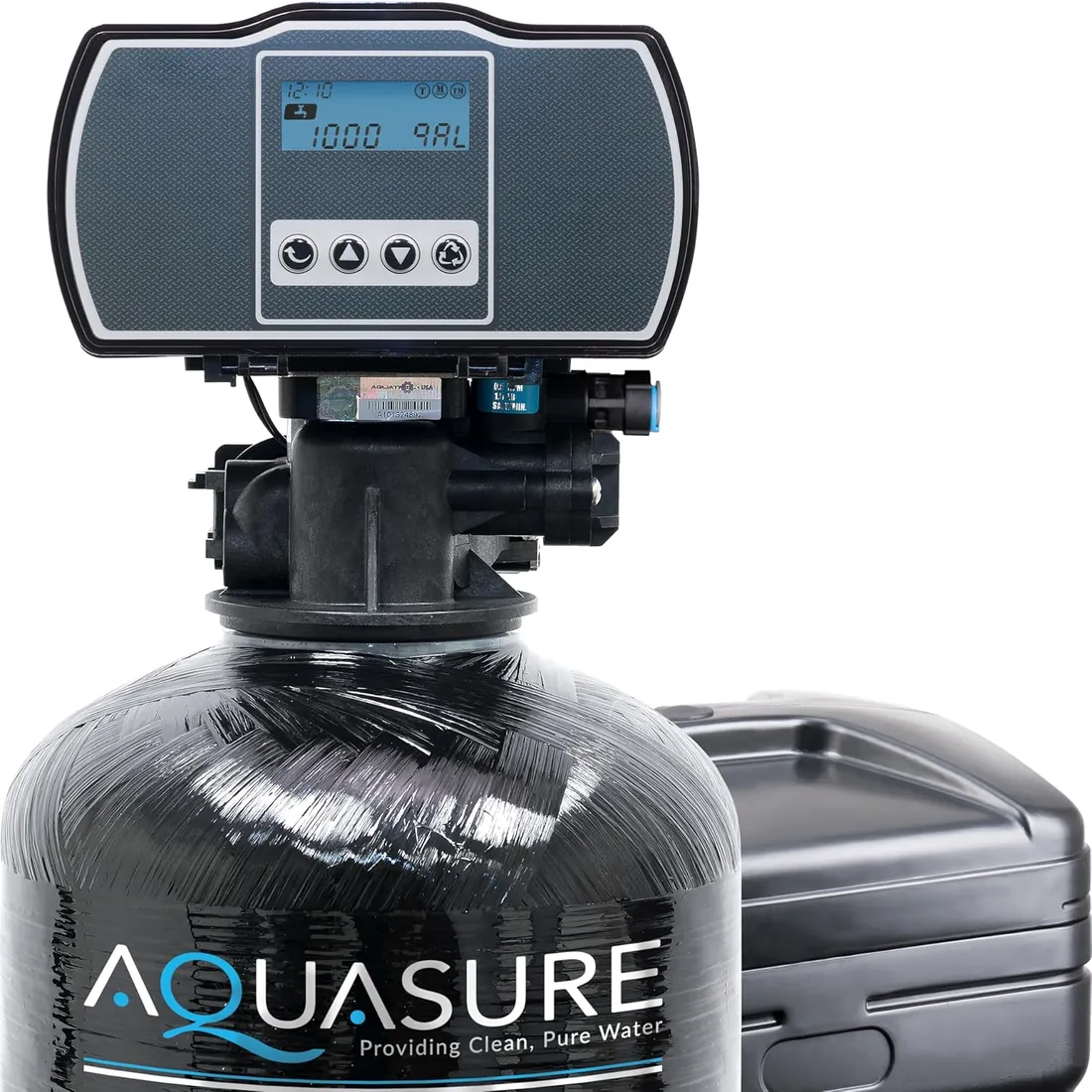
Whole-house softener · Aquasure
Aquasure Harmony Series AS-HS48D 48,000-Grain Water Softener
48,000 grains · 12 GPM
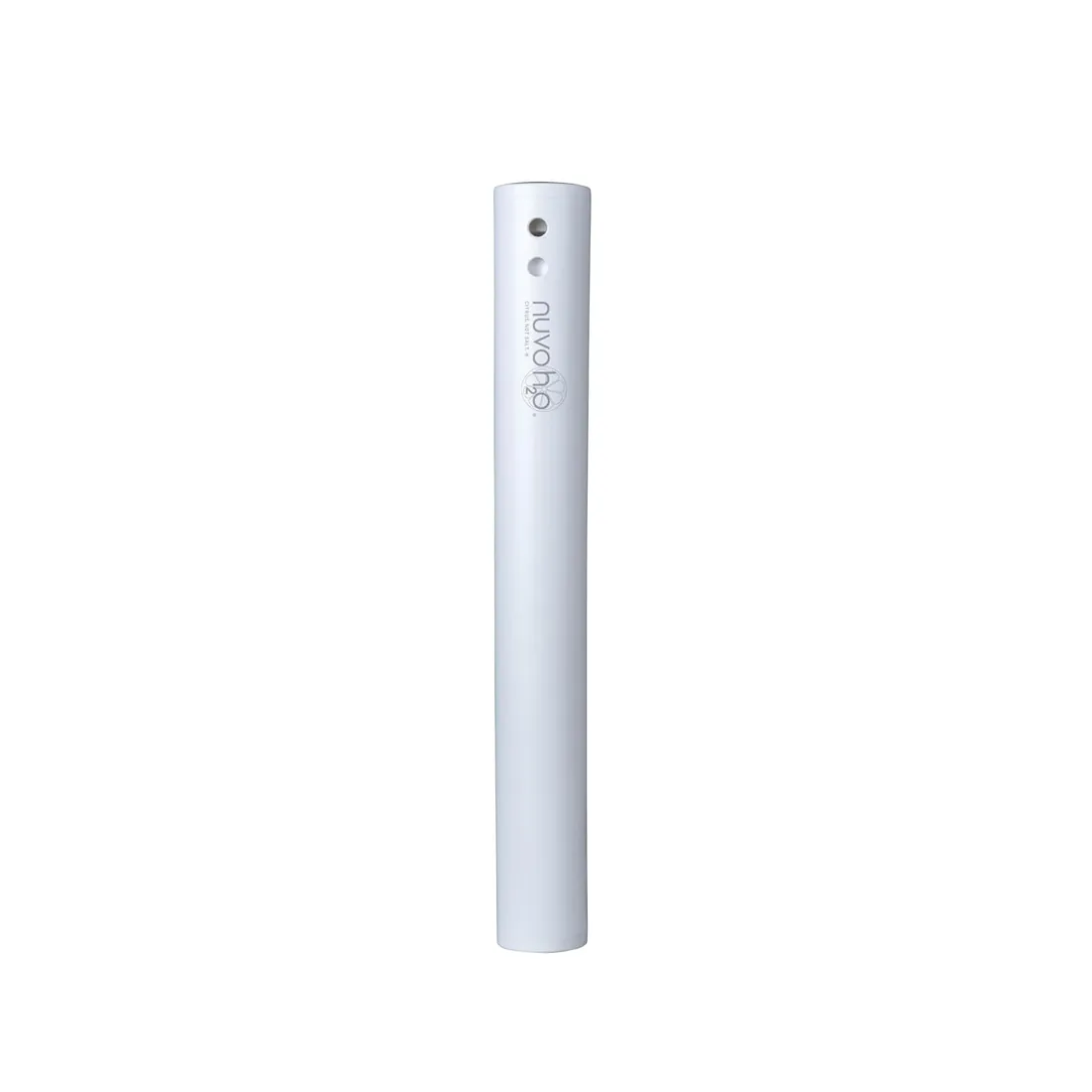
Conditioner and filter combo · NuvoH2O
NuvoH2O HHP-2516 Salt-Free Conditioner and Filter System
Conditioner and filter combo
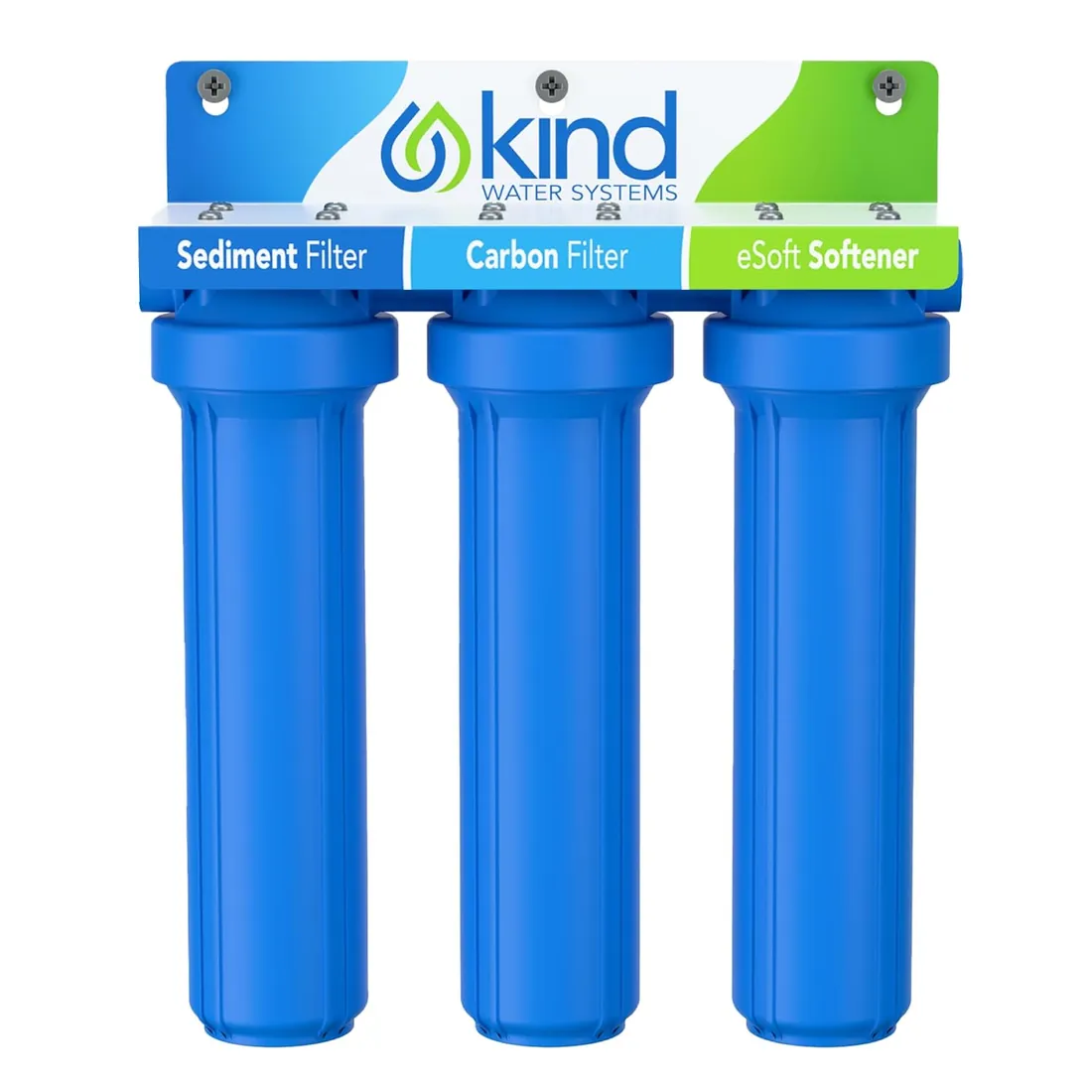
Salt-free TAC conditioner · Kind Water Systems
Kind Water Systems E-3000 Salt-Free Water Conditioner
Salt-free TAC conditioner · 15 GPM
Questions readers ask
Do salt-free water softeners work?
They don't soften: a hardness test reads the same afterwards. Makers describe them as reducing scale formation, and results vary with water chemistry.
Is softened water safe to drink?
Softening adds sodium: about 8 mg/L for each grain of hardness removed, per NDSU Extension. Potassium chloride avoids added sodium.